
For over two decades, The Siskiyou School has stood as a beacon of calm, creativity, and community in a rapidly changing world. Rooted in Waldorf education, the school provides an environment where children can grow at a human pace—learning through movement, art, academics, and relationship. With small class sizes, long-term teacher connections, and a deeply engaged parent community, The Siskiyou School continues to be one of Southern Oregon’s most treasured educational resources. We sat down with Siskiyou School Administrator, Katherine Holden & Assistant Administrator, Kristin Beers, to discuss what makes the school so special, how it remains accessible to families of all backgrounds, and why supporting this kind of education is an investment in our collective future.
Katherine and Kristin, thanks so much for taking the time to speak with us today.
Thank you, Shields. We’re grateful for the opportunity to share about our very special school. At its heart, The Siskiyou School is not only about educating children, it’s about nurturing a future generation of kind, capable, and community-minded young people who will help shape the Rogue Valley for years to come.
Katherine, for those who may not be familiar, what makes The Siskiyou School unique in today’s educational landscape?
The Siskiyou School was founded in 2006 by a group of dedicated parents and teachers passionate about bringing Waldorf education to our community.
Our mission is “to cultivate the intellectual, imaginative, artistic, and individual gifts in each student within a community that honors childhood, practices compassion, values diversity, and inspires a passion for learning and service.”
What makes The Siskiyou School stand out is our deeply human-centered approach to learning. Rooted in the Waldorf tradition, we educate the whole child—head, heart, and hands—through a balanced mix of academics, arts, and practical work. Our curriculum nurtures curiosity, creativity, and a lifelong love of learning, while our strong sense of community helps students feel seen, supported, and inspired to grow into capable, compassionate individuals.
Our graduates carry these qualities into the world, becoming thoughtful, engaged citizens as artists, scientists, caregivers, and leaders, who bring curiosity, empathy, and integrity into whatever paths they choose. In this way, the school’s impact extends far beyond our campus; it touches the wider community and, ultimately, the future of our valley itself.
You describe the school as a “calm and predictable” place for learning. Why is that sense of rhythm and stability so important for children today?
In a world that can feel busy and unpredictable, children really need a steady rhythm. At The Siskiyou School, the calm and consistent flow of each day helps them feel secure and ready to learn.
When they know what comes next, they don’t have to spend energy worrying about what’s around the corner, they can focus on their work, their friendships, and the joy of being at school. We know this is particularly helpful for students who experience anxiety or overwhelm.
The Siskiyou School is known for developing not only strong academics but also social and emotional intelligence. How do you nurture both “heart and head” in the classroom?
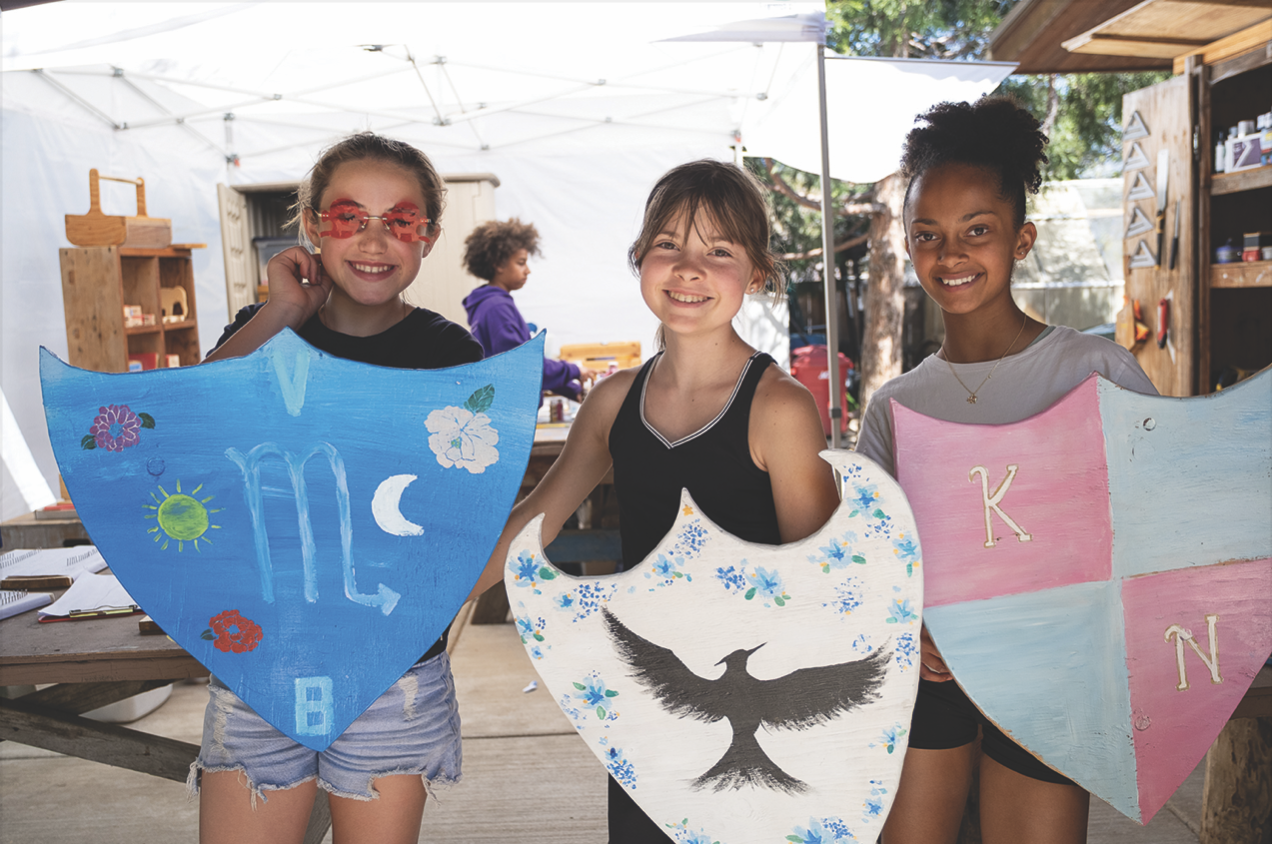
We don’t see academics and emotional growth as separate things, they really go hand in hand. When children feel known, valued, and connected to their teacher and classmates, their capacity to learn and self-efficacy expands. Our lessons are designed to speak to the whole child, through story, art, music, cooperation, and hands-on work, so that what they’re learning resonates both intellectually and emotionally.
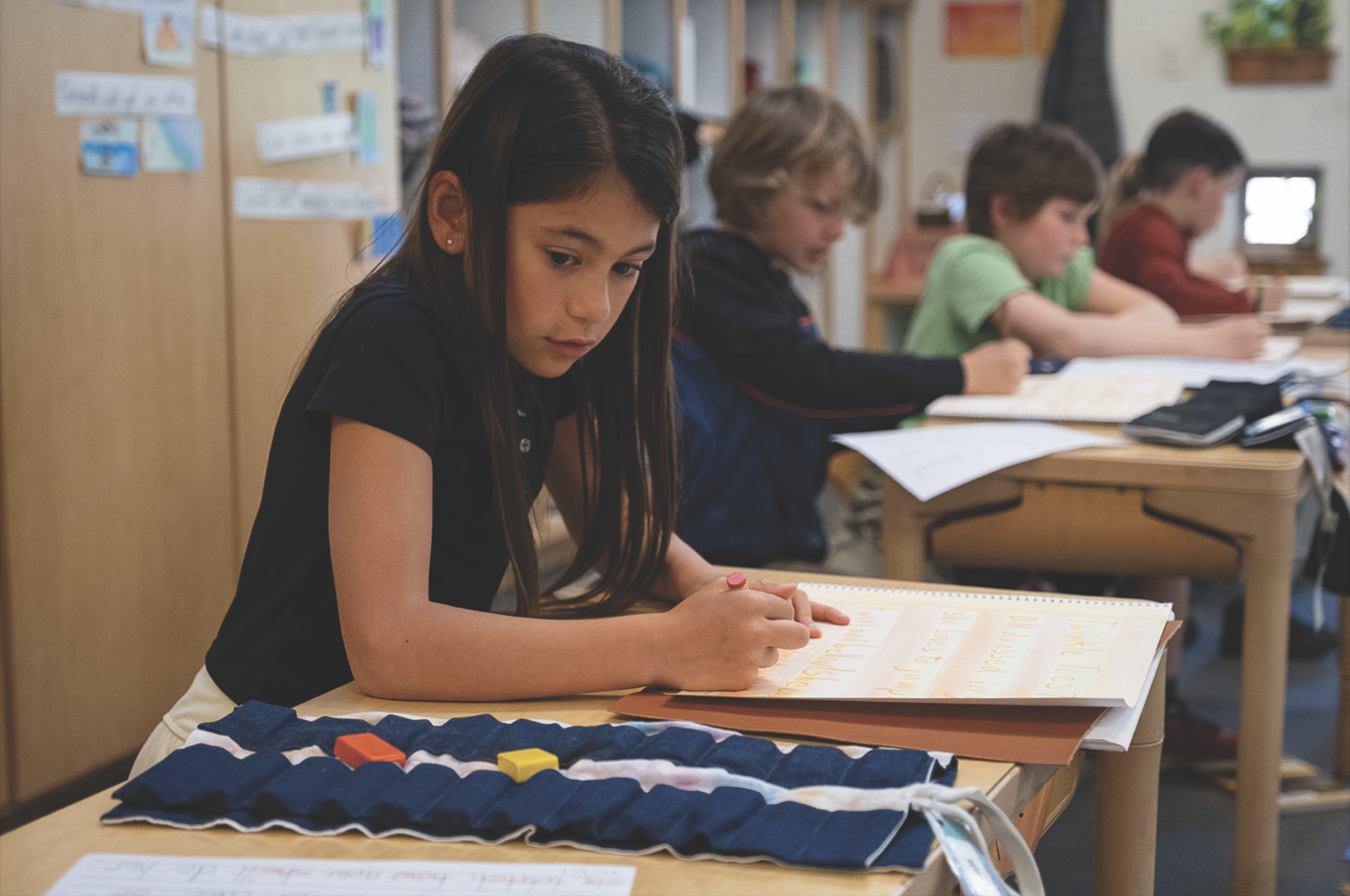
Technology is becoming an ever-present part of children’s lives. Can you share how your “naturally device-free” environment supports healthy development?
Our classrooms are intentionally device- and screen-free, which parents often say is a relief. Without the constant presence of screens and distraction from devices, children connect more deeply with each other, their teachers, the natural world, and the learning. Many children today experience what’s now called “play deficit” or a lack of unstructured, imaginative play that builds creativity, confidence, and empathy. Opportunity for play is at the core of our program, and our device-free approach ensures that creativity, exploration, and social connection remain central to childhood. This slower, more intentional rhythm doesn’t just benefit children. This resonates with anyone who values simplicity, human connection, and time spent in nature. In many ways, The Siskiyou School rekindles the kind of grounded, relationship-rich learning that many of us remember from our own childhoods.
Many families assume private education is out of reach. How does The Siskiyou School maintain accessibility for families from diverse economic backgrounds?
We believe a Waldorf education should be accessible to all families who value it, not just those who can easily afford it. As a nonprofit, The Siskiyou School offers a strong tuition assistance program that supports a wide range of financial circumstances. Many of our families receive some level of tuition adjustment, helping us maintain a community that reflects true social, economic, and cultural diversity. Our goal is for every family to feel that their presence and participation are what truly enrich the life of the school. Many new families are surprised to discover that a Waldorf education is within their reach. Supporters who share this vision can make a meaningful difference by contributing to our scholarship fund, helping open the door for more children to experience this kind of inspired, whole-child education.
In Waldorf education teachers stay with their classes for their whole educational journey. Please explain.
At the Siskiyou School, students often have the same class teacher for at least four or five years. This long-term relationship allows teachers to truly know each child as a learner and as a person. As the class grows, the teacher grows with them, guiding both academic and social development in a deeply connected way. The result is a classroom rooted in trust, continuity, and genuine understanding—an environment where students feel seen, supported, and confident to meet new challenges.
Because teachers and students already know one another, valuable instructional time is gained each fall as the class can dive straight into new material rather than starting from scratch.
What does “developmentally appropriate education” mean in practice—and how does that differ from the fast-paced, test-driven model we see in many schools today?
Developmentally appropriate education meets children where they are, aligning learning with their intellectual, emotional, and physical stages. At The Siskiyou School, concepts are introduced when students are ready to truly understand them, ensuring solid academic foundations. This thoughtful pacing builds confidence, curiosity, and a lasting love of learning. When the fundamentals are strong in the early grades, students can engage their creativity and enthusiasm in later years, making challenges like algebra feel both exciting and easily within reach.
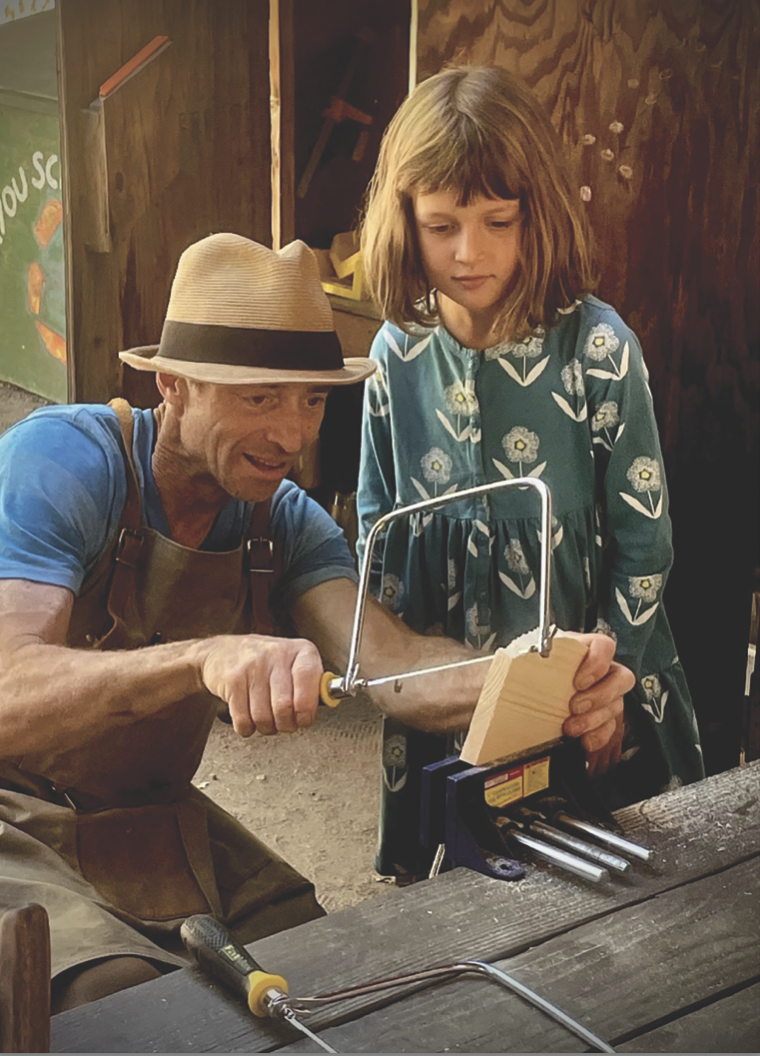
You talk about preserving childhood. What does that look like in your classrooms and playgrounds?
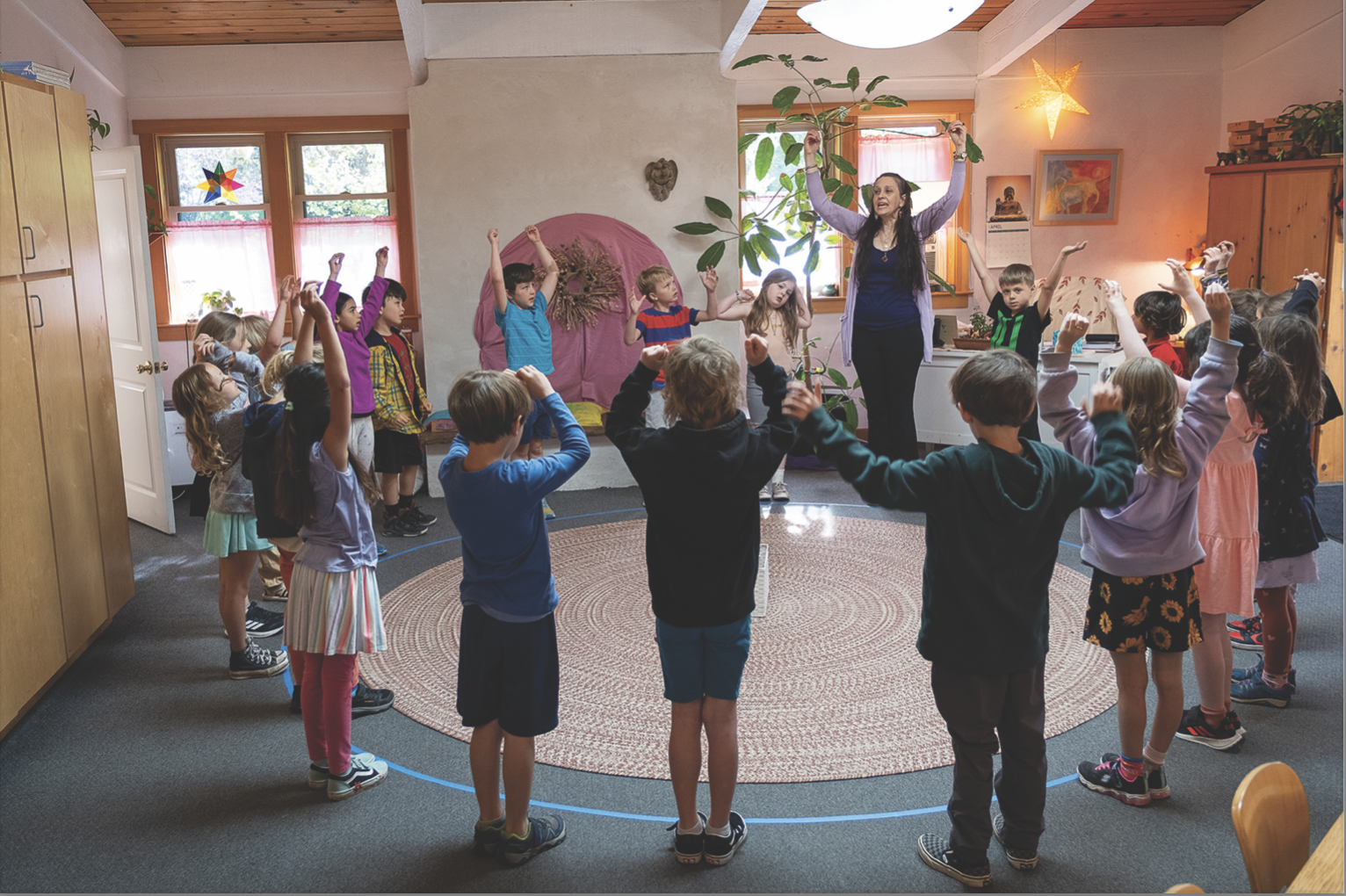
Preserving childhood means honoring the time, space, and experiences that let children grow at their own pace. In our classrooms, this looks like lessons that invite imagination, movement, and creativity rather than rushing toward tests or abstraction. The rooms are warm, calm, and filled with natural light. On the playground, unstructured play encourages exploration, risk-taking, and friendship. By valuing childhood itself, we nurture learners who are confident, curious, and resilient.
Can you explain the idea of “formative assessment” and how it supports a more holistic understanding of a child’s progress?
Formative assessment is an ongoing process where teachers observe, document, and respond to each child’s learning and growth. Unlike computer-based standardized tests that demand long hours of screen time and take away weeks of instruction, formative assessments give a richer, more authentic picture of a child’s progress. This approach keeps classroom time focused on what matters most—teaching, learning, and creating.
The support of the parent community plays a huge role in your school. Please talk more about this relationship.
Our parent community is a vital part of what makes our school special. Parents share their time, energy, and talents—helping with field trips, classroom projects, and major school events. This partnership strengthens our community, helps children feel supported, and allows families to be genuine partners in their child’s education.)
Beyond academics, what are some of the life skills or social qualities that children carry with them after graduating from The Siskiyou School?
Graduates of The Siskiyou School leave with more than academic knowledge. They carry confidence, creativity, resilience, and empathy. They are strong problem-solvers, thoughtful collaborators, and responsible community members. With self-awareness and emotional intelligence, they navigate challenges with integrity and adaptability. They have the confidence to ask questions and seek understanding.
High school teachers love having Siskiyou School students in their classrooms.
This year marks the school’s 20th anniversary—congratulations! How are you celebrating this milestone, and what does it mean to you?
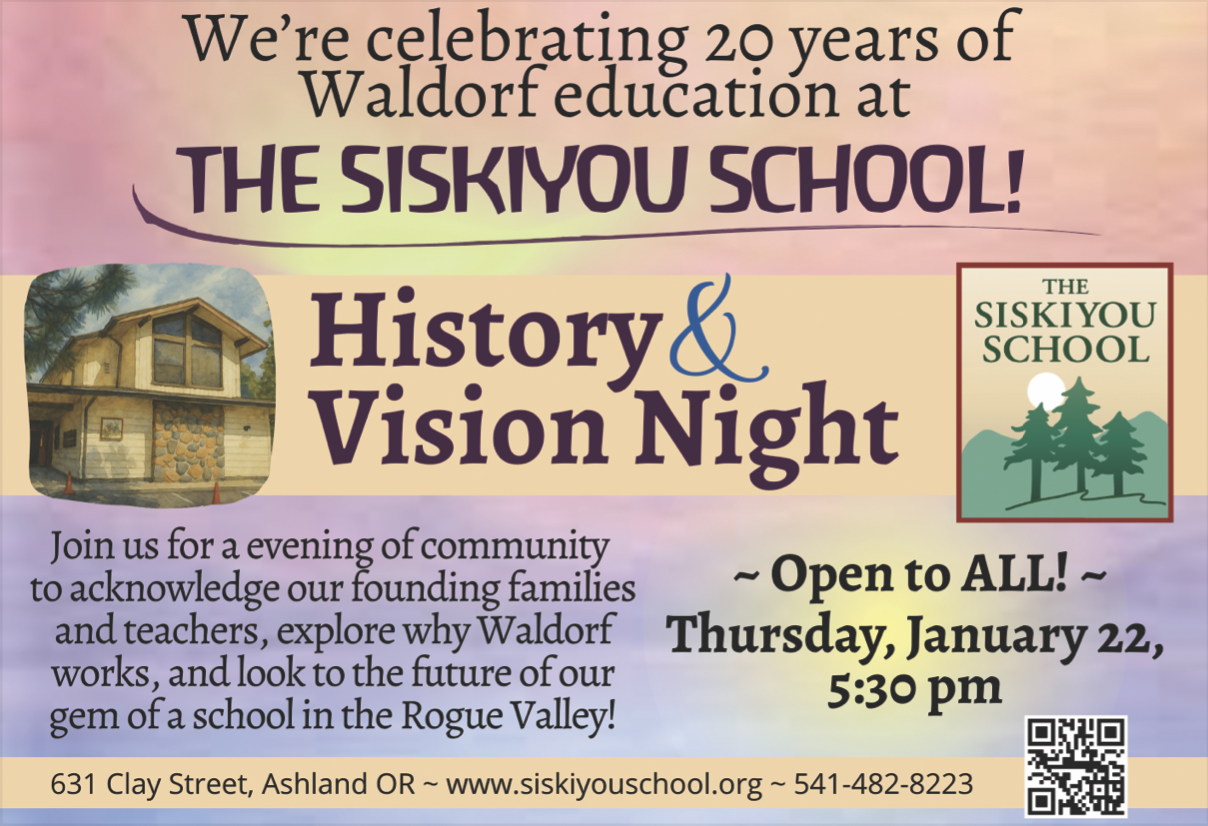
It’s hard to believe we’re already 20 years old! This anniversary is both a celebration and a reflection. We’re honoring our history with events throughout the year, including our History and Vision Night on Thursday, January 22, where we’ll hear from founding parents and teachers, celebrate what’s been built, and invite new friends and supporters to be part of what comes next. For us, this milestone is a moment of gratitude for our dedicated faculty, our families, and all the children who have brought life to this school. We’re also looking ahead with hope and purpose, carrying this work forward so that the next generation of students can experience the same kind of joyful, human-centered education that has defined our first 20 years.
As we celebrate, we also honor the generosity of those who helped plant these roots particularly our founding donors, volunteers, and friends whose belief in this vision made it possible. Now, as we look to the next twenty years, we welcome new supporters to join that legacy and help us continue nurturing young hearts and minds for generations to come.
The Siskiyou School is a nonprofit that relies on community generosity. How can local residents—parents, grandparents, or even those without school-age children—get involved or give back?
The Siskiyou School thrives because of the generosity and care of our extended community. There are many ways to be involved through financial contributions, volunteering in classrooms or at school events, or offering expertise, mentorship, or creative skills that enrich student learning. Even for those without school-age children, supporting our school means helping to grow thoughtful, capable young people who will contribute meaningfully to our valley and beyond. Every gift helps sustain the programs, traditions, and values that keep this place vibrant. We see every act of giving as an investment in the wellbeing of future generations.
Finally, what message would you share with families or supporters who are just discovering The Siskiyou School for the first time?
For families, grandparents, and community members discovering The Siskiyou School for the first time, we warmly invite you to visit and see the magic firsthand. Our classrooms are full of creativity, curiosity, and connection, places where children learn deeply, grow with confidence, and are known and valued as individuals.
The Siskiyou School is more than a school; it’s a community committed to nurturing healthy, capable, and compassionate human beings. Whether you’re a parent seeking the right environment for your child or someone who simply believes in the importance of cultivating the next generation, there’s a place for you here. Come take a tour, attend an event, sponsor a scholarship, or join our greater circle of supporters. Your involvement helps this vision continue to flourish.
Learn More:
The Siskiyou School
631 Clay Street, Ashland
www.siskiyouschool.org
541-482-8223